Steingríms Power Station

1959Hydropower

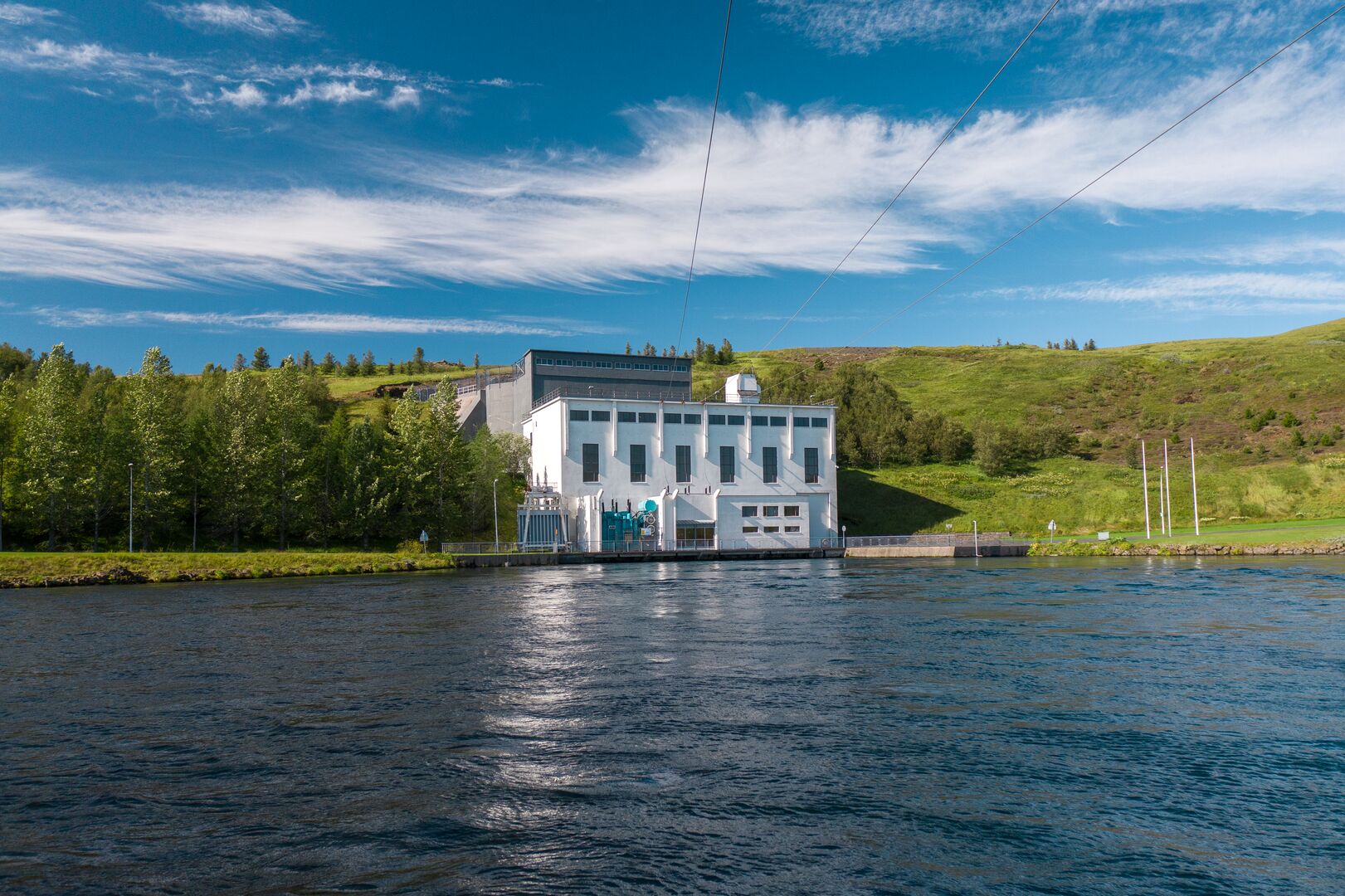
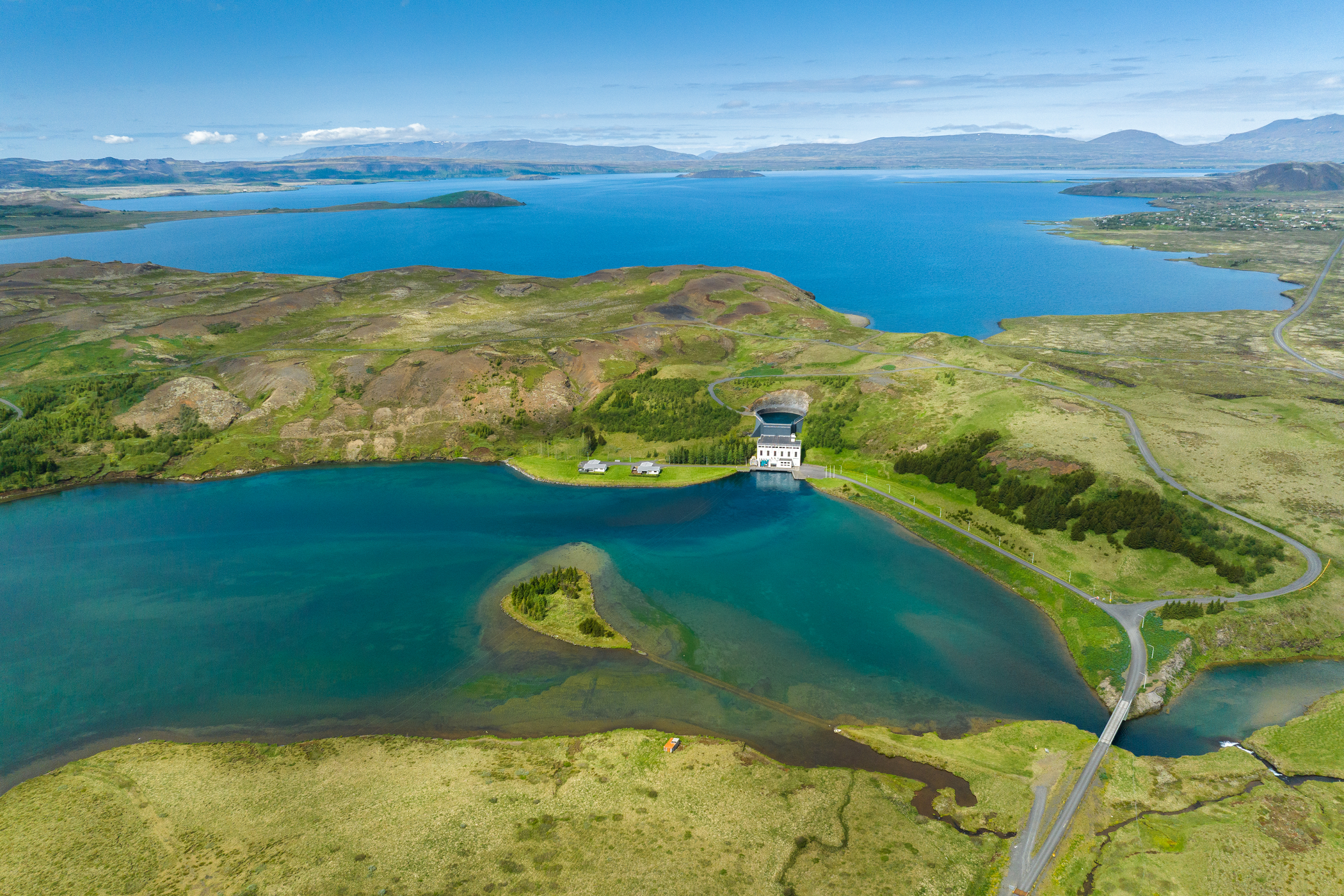
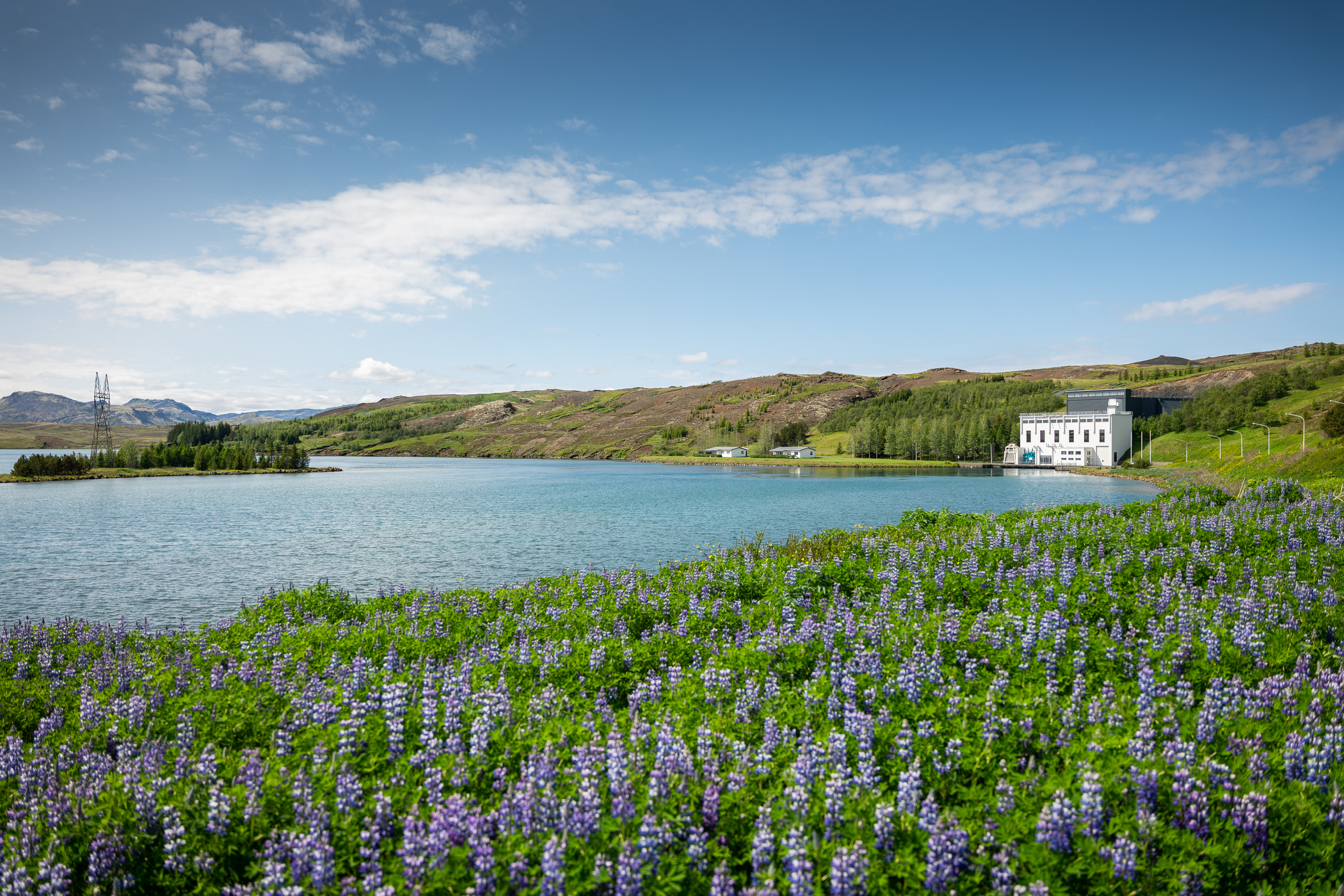
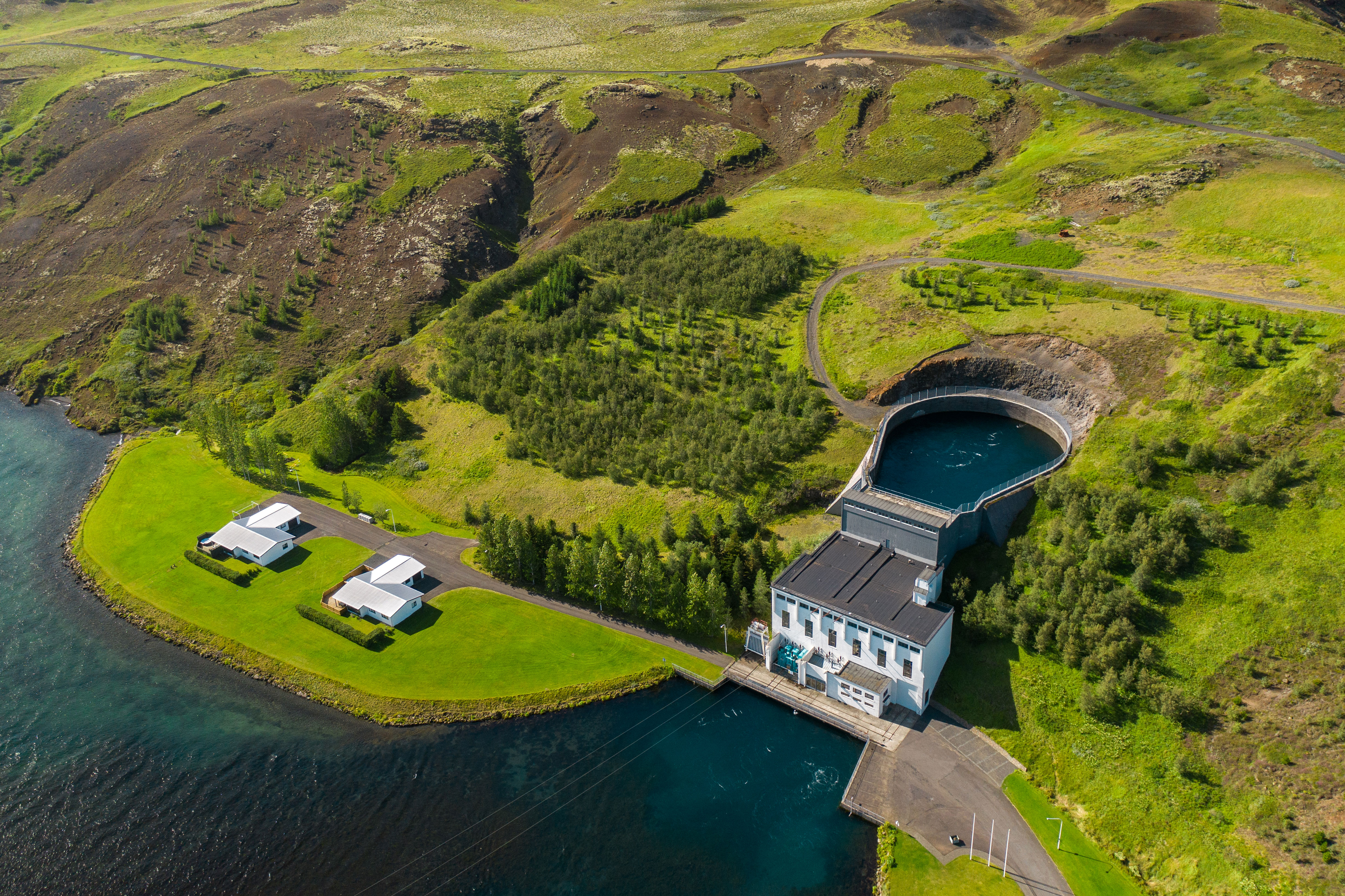
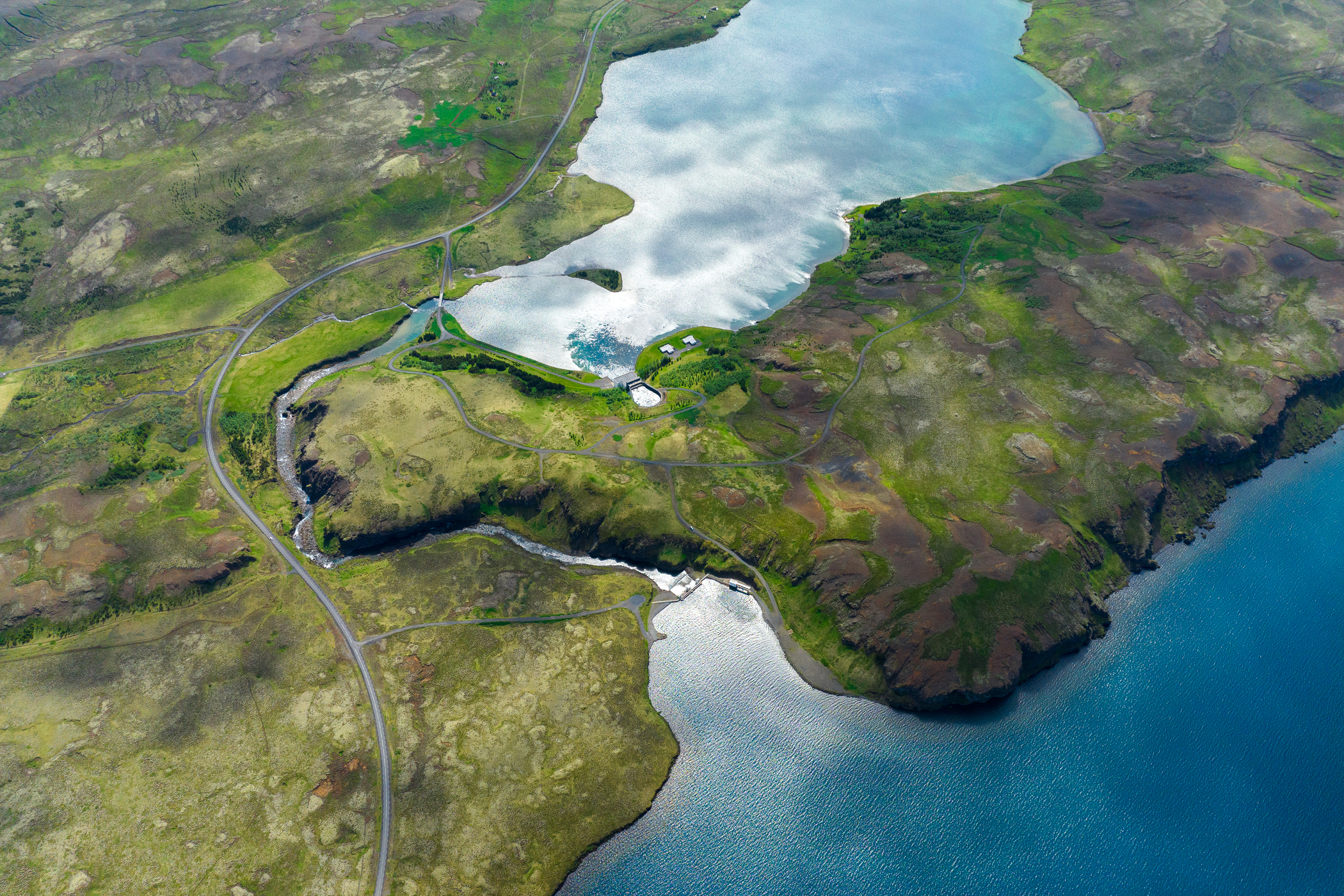
Steingríms Power Station was commissioned on 6 August 1959. It is located on the Sog River, at the outlet of Lake Úlfljótsvatn.

Power from the Sog River

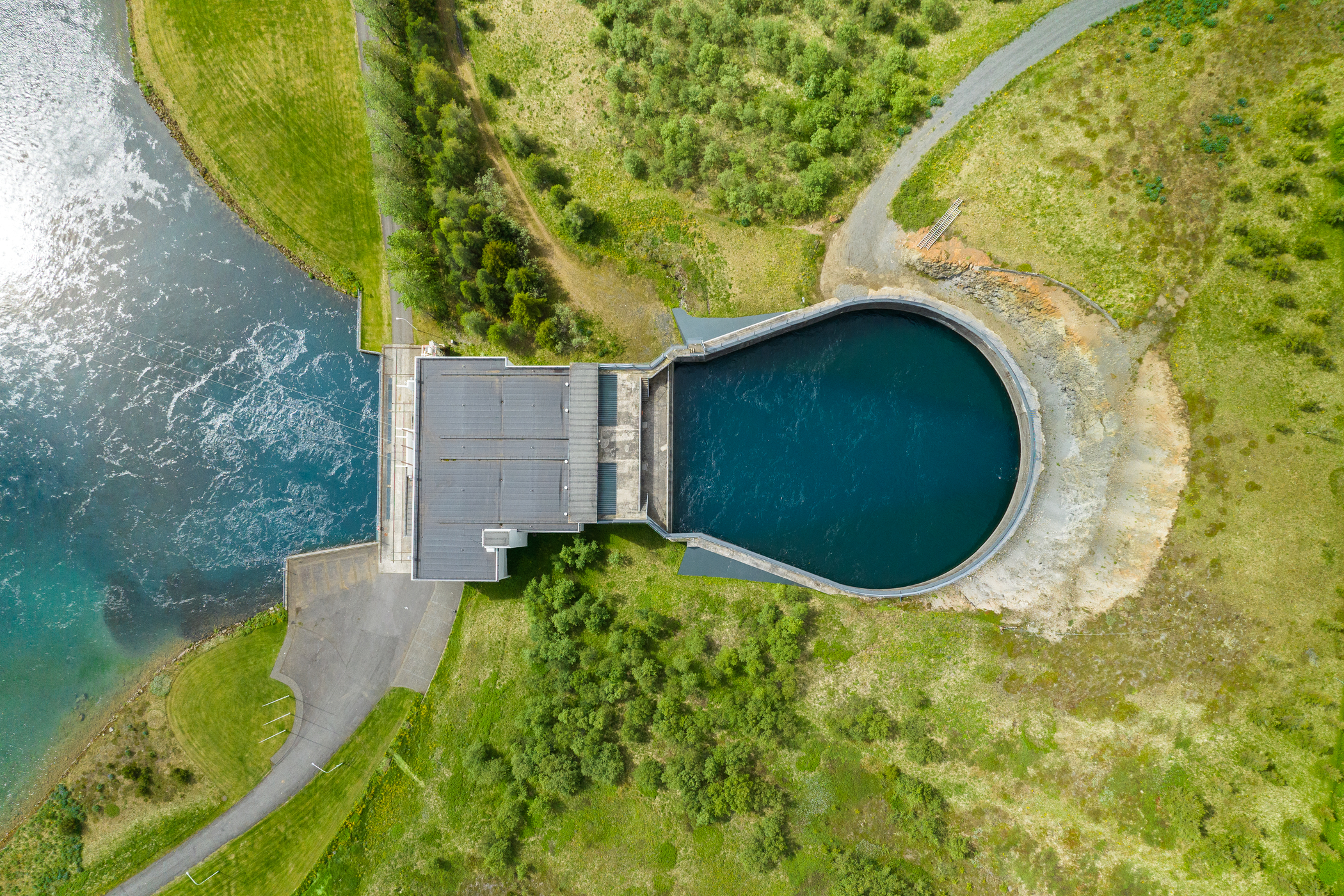
Steingríms Power Station is the third power station built on the Sog River. It harnesses the head between Lake Þingvallavatn and Lake Úlfljótsvatn, where water is conveyed through a tunnel in Dráttarhlíð to the powerhouse. The average outflow from Lake Þingvallavatn is approximately 100 m³/s.

The station was commissioned in 1959 and has an installed capacity of 26 MW.

The Power Station is named after Steingrímur Jónsson (1879-1952), engineer and director of the State Electricity Authority. He played a key role in the development of Iceland’s electricity system during the first half of the 20th century and was among the leading figures in the utilisation of the Sog River for electricity generation.

Key numbers

  • Installed capacity

    0MW
  • Kaplan turbines

    2×0MW
  • Generation capacity

    0GWh /y
  • Head

    0m
  • Maximum flow

    0m3/sec

A challenging start

Water rushing through the tunnel entrance after a temporary cofferdam failed at Lake Þingvallavatn during the construction of Steingríms Power Station.

Construction of Steingríms Power Station faced a major setback on the eve of Iceland’s National Day, 17 June 1959. A severe storm caused a temporary cofferdam at the construction site to fail, allowing large volumes of water to rush through the unfinished powerhouse and into Lake Úlfljótsvatn. Construction materials, formwork and equipment were swept away, resulting in one of the most significant incidents ever experienced during the construction of power facilities in Iceland.

Despite the damage, the response was swift. The breach was closed within a matter of days and reconstruction work began immediately. Construction remained on schedule, and Steingríms Power Station was commissioned later the same year.

Water rushing through the construction site after a temporary dam failed in 1959.

Photos from Steingríms Power Station

The Sog Area

The Sog is Iceland’s largest spring-fed river. It flows from Lake Þingvallavatn through Lakes Úlfljótsvatn and Álftavatn before joining the Hvítá River to form the Ölfusá River. Most of its water originates from springs on the floor of Lake Þingvallavatn, giving the river an unusually stable and consistent flow.

From Lake Þingvallavatn to the Hvítá River, the Sog flows for only about 20 kilometres. Along this short stretch, a considerable head is available for hydropower generation, first between Lakes Þingvallavatn and Úlfljótsvatn and then at the waterfalls Ljósifoss, Írafoss and Kistufoss.

These natural conditions made the Sog one of Iceland’s most favourable locations for early hydropower development. The first plans to harness the river were prepared in the 1920s, and electricity generation began in 1937 with the commissioning of Ljósafoss Power Station.

Over the following decades, three power stations were built on the river: Ljósafoss Power Station, Írafoss Power Station and Steingríms Power Station. Together, they played a key role in the electrification of Iceland and supplied a large share of the country’s electricity during the formative years of its power system.